

The Territory Managed
by Poisson Blanc Regional Park
is Expanding in 2026
As have the issues related to the use of public lands along the reservoir’s shores and islands.
In response, the Papineau RCM, the Municipality of Bowman, and Poisson Blanc Regional Park have joined
forces to ensure the conservation of our natural environment and better coordinate uses by entrusting
the management of camping in this area to Poisson Blanc Regional Park.

What issues are associated with the use of the shores and islands of the Poisson Blanc Reservoir on public land?
Increase in informal camping sites
Over the past few years, more than 60 informal campsites have been identified in the southern part of the Poisson Blanc Reservoir by the Poisson Blanc Watershed Association. This area represents about one quarter of the total surface area of the Poisson Blanc Reservoir. For comparison, the remaining three quarters of the reservoir, which have been managed by the Park since 2008, also include about 60 campsites in total, spread over an area almost three times larger. These figures clearly highlight the challenges related to the growing number of informal campsites on these heavily visited public lands.
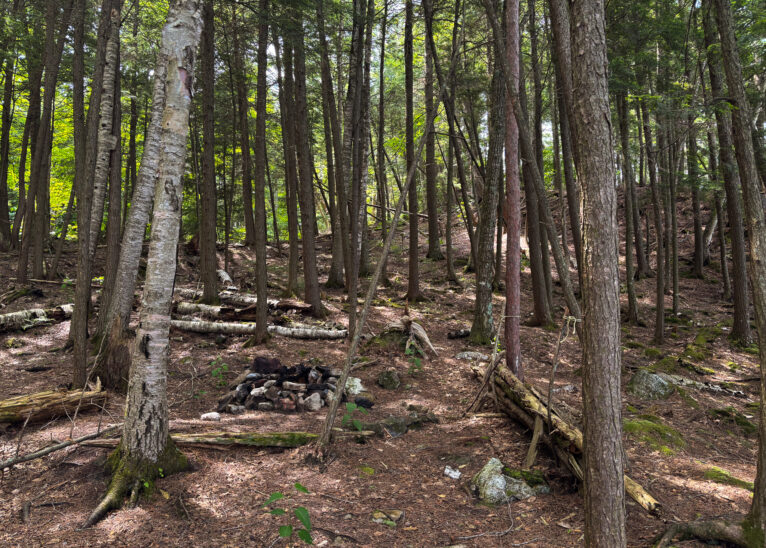
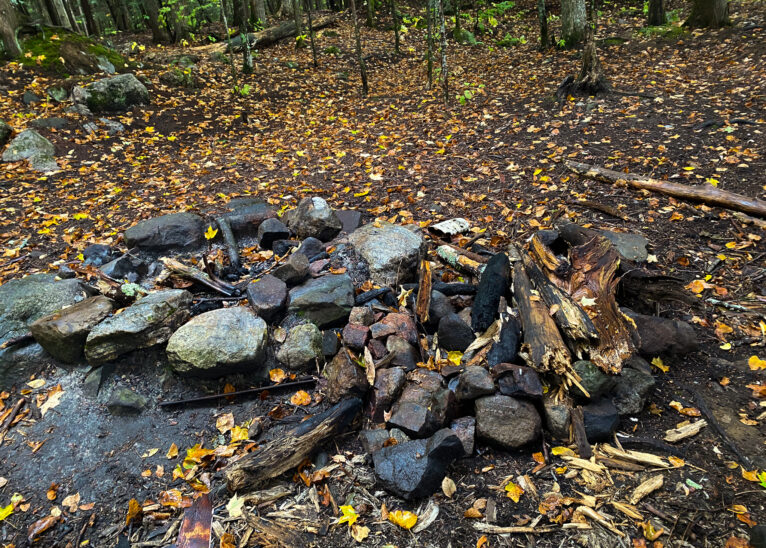
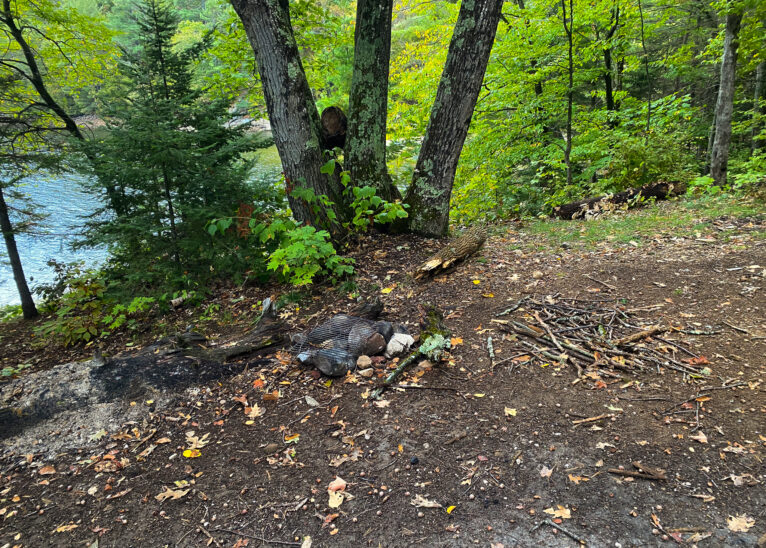
These informal campsites, developed without planning, do not take into account the ecological sensitivity of natural environments, their carrying capacity, or the risks associated with forest fires. It has therefore become necessary to implement measures to curb this growth and ensure that land use remains compatible with the area’s carrying capacity and the protection of these natural environments.
Increasing visitor use
Visitor use of the Poisson Blanc Reservoir has been steadily increasing over the past few years. This growth is largely driven by higher tourist visitation, an increase in the number of recreational boats, and the development of new vacation homes along the shores. In addition, the population growth of nearby urban centers, particularly the Ottawa–Gatineau and Montreal metropolitan areas, places additional pressure on the territory. In this context, it is reasonable to expect that this trend will continue, and possibly intensify, in the coming years. As a result, maintaining the status quo in the management of the reservoir’s islands and shores is no longer a viable option, as it jeopardizes the ecological integrity of this fragile natural environment.
Degradation of natural environments
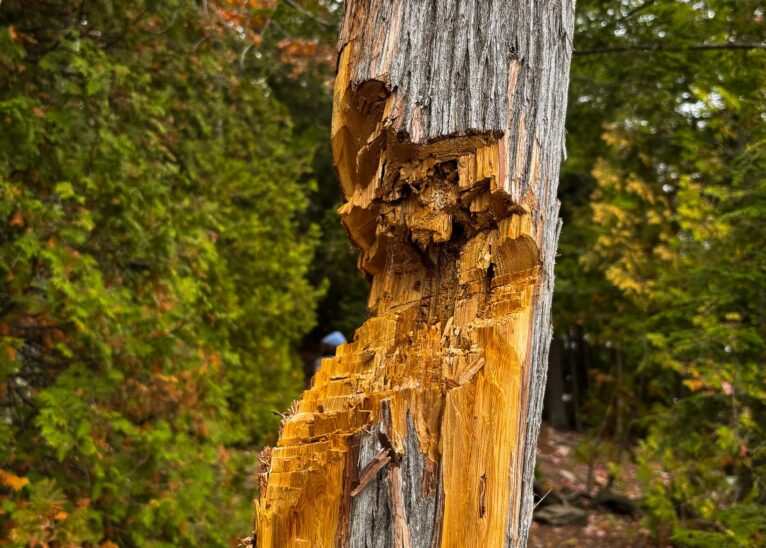
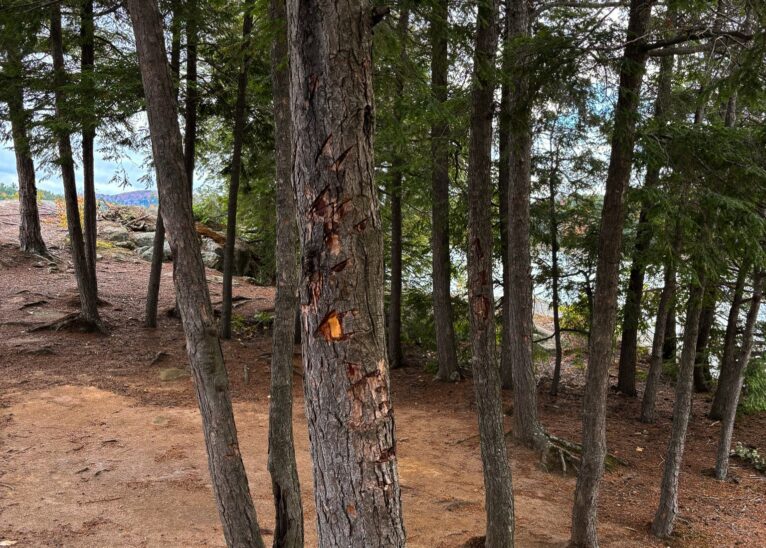
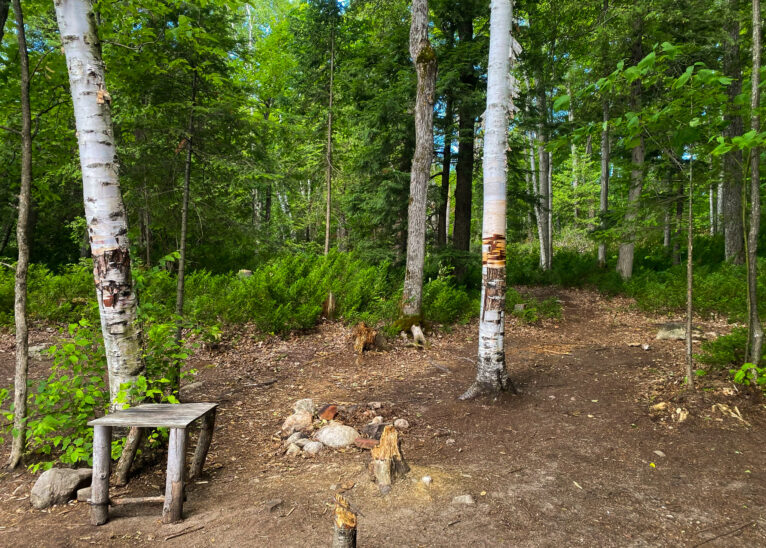
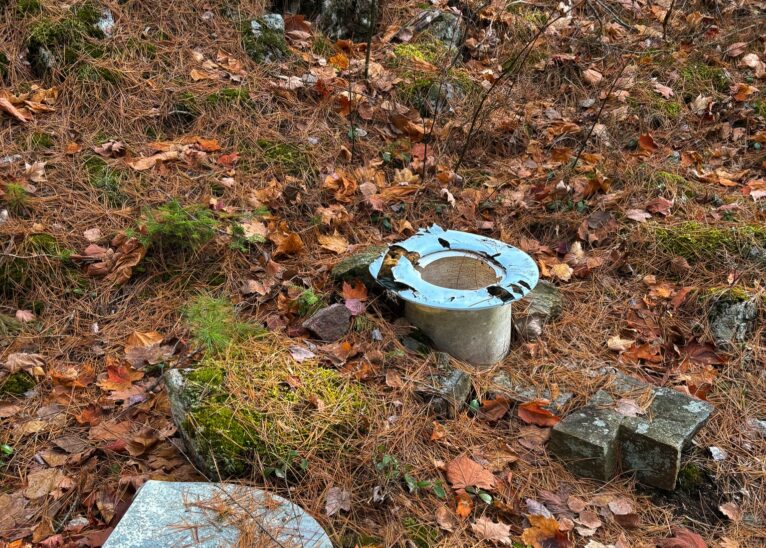
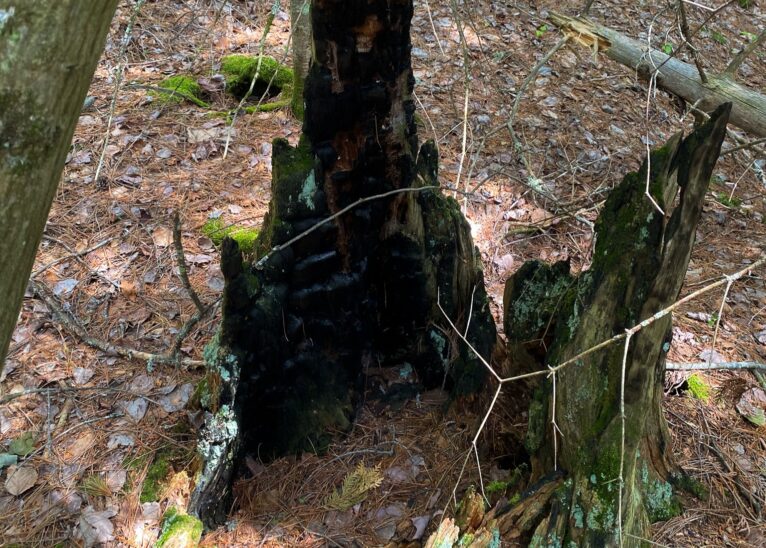
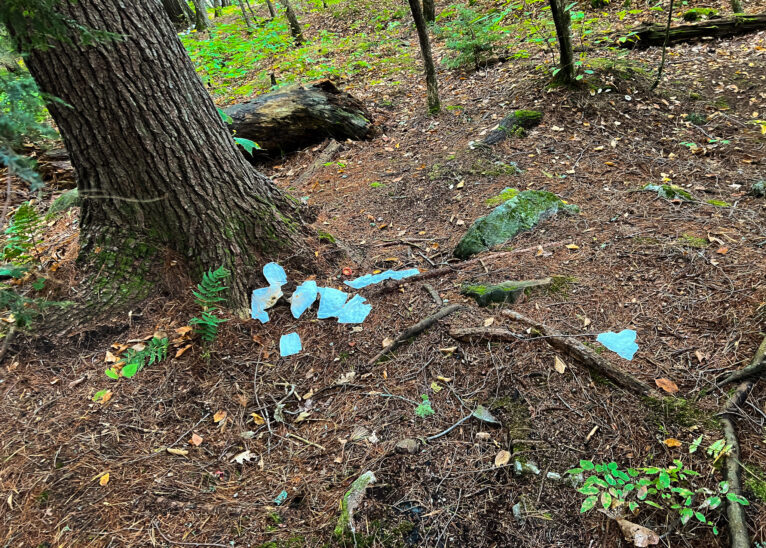
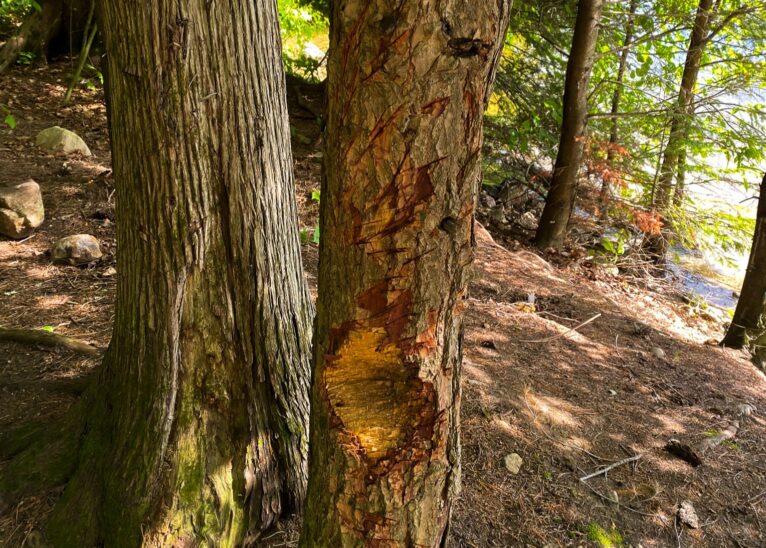
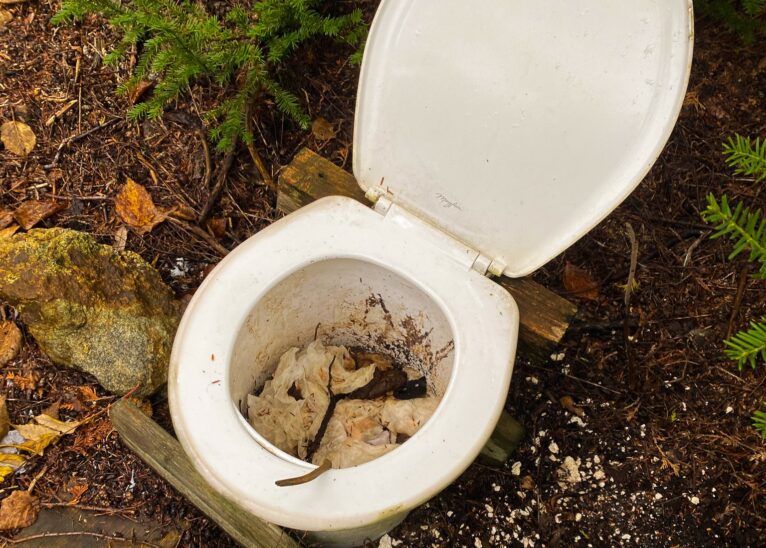
Several areas where informal camping sites have developed show signs of deforestation and repeated trampling, which limit the natural regeneration of vegetation. In some spots, there is also an accumulation of waste, the presence of human and pet feces, and used toilet paper on the ground. In certain areas, evidence of tree mutilation and cutting, including live trees or those that do not pose a hazard, has been observed. To date, these sites show a concerning level of ecological degradation, resulting from intensive and unmanaged use over an extended period.
Usage Conflicts
Many daily visitors and residents of the municipalities bordering the Poisson Blanc Reservoir have noticed that some highly popular sites are often occupied for extended periods by the same group of people. By entrusting the management of the islands and shores where this type of use occurs, it will be possible to promote a more harmonious sharing of the territory among different types of users. For example, some sites that have historically been in high demand will be developed as day-use public stops to ensure accessibility and equitable sharing of the islands and shores among a variety of users.
Safety
Currently, when an intervention is needed at the Poisson Blanc Reservoir, multiple responders from different municipalities may be involved, which complicates coordination and can delay assistance to users. By entrusting the management of the islands and shores to a single entity, that entity becomes responsible for ensuring the safety of visitors. Equipped with a structured emergency plan and risk management measures, it can respond quickly and effectively whenever a need arises. Visitors thus benefit from a safer and better-managed environment during their outings and activities.
Fire Risk and Campfire Safety
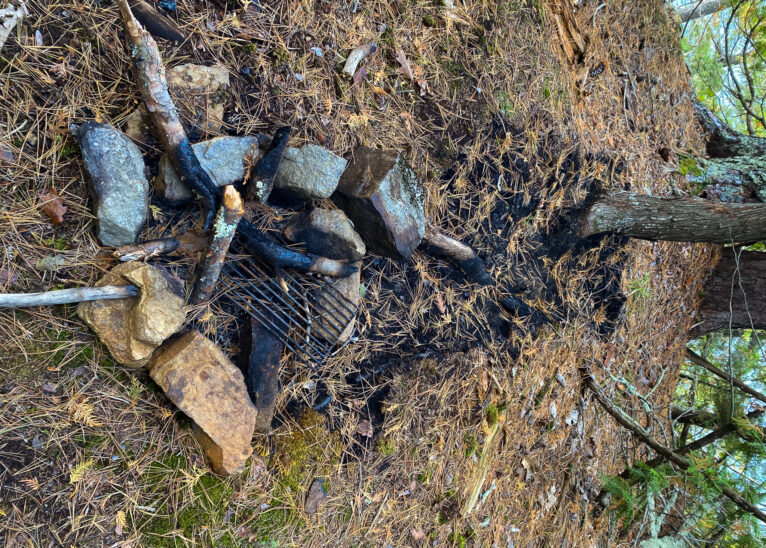
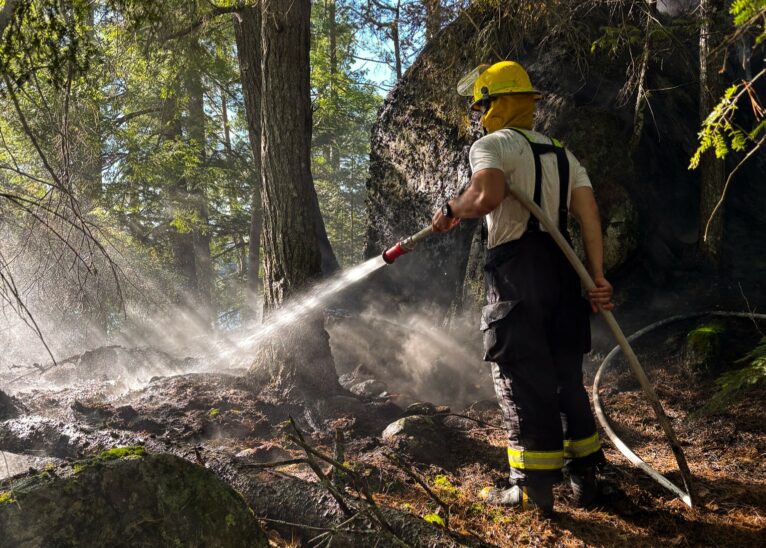
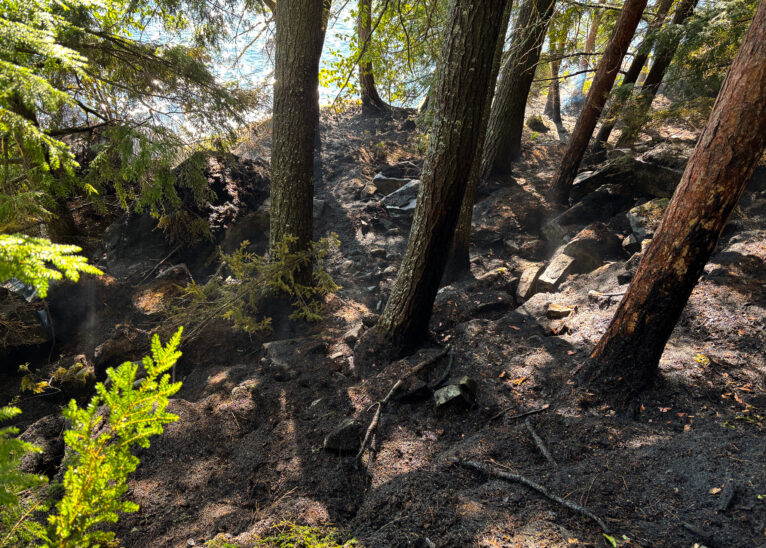
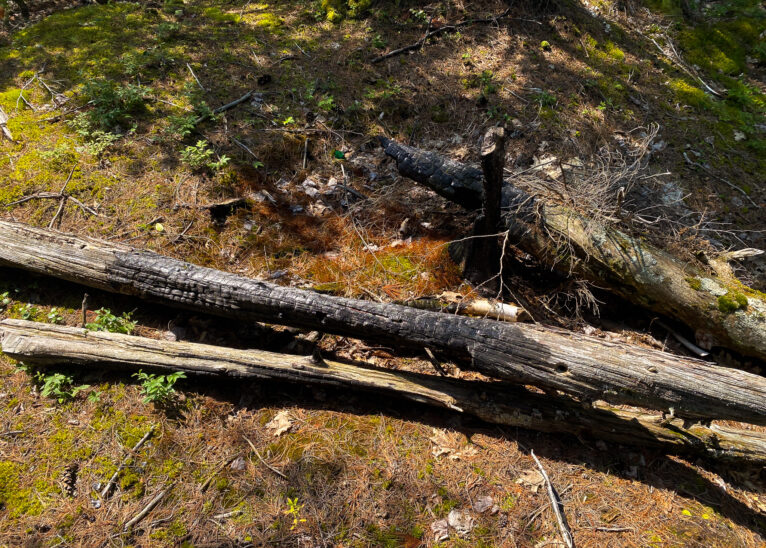
Over the past 10 years, more than 20 fire incidents have required intervention by the fire services of the municipalities of Notre-Dame-du-Laus, Denholm, and Bowman, and in some cases, by SOPFEU. The majority of these fires were caused by campfires lit in unsafe areas, left unattended, or improperly extinguished, leading to the spread of root or twig fires in the surrounding forests. Establishing safe fire pits in appropriate locations will significantly reduce the risk of fires and help protect these fragile natural environments, including the islands and shores of the Poisson Blanc Reservoir.
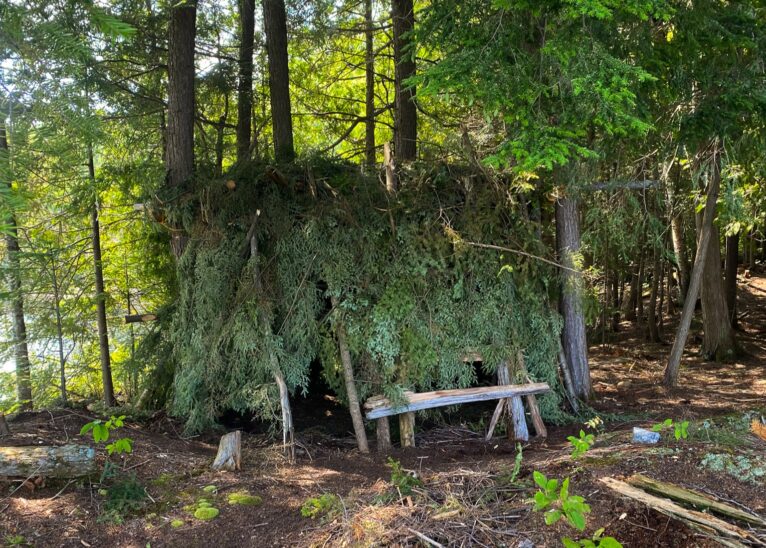
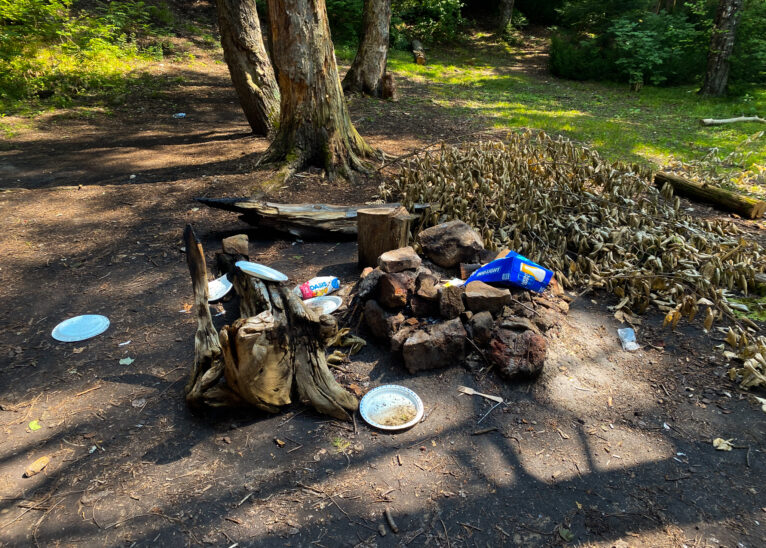
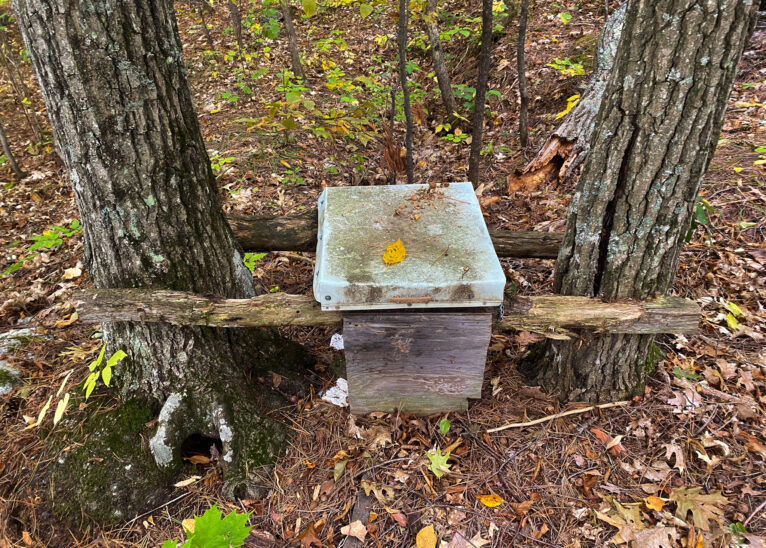

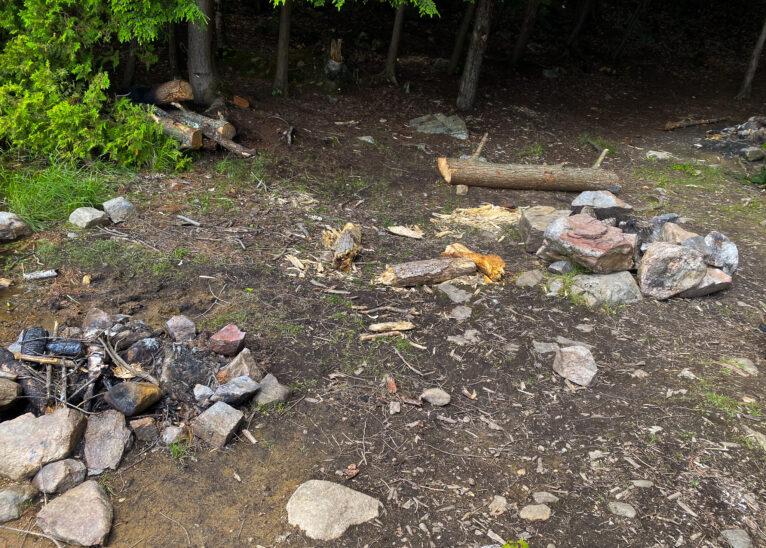


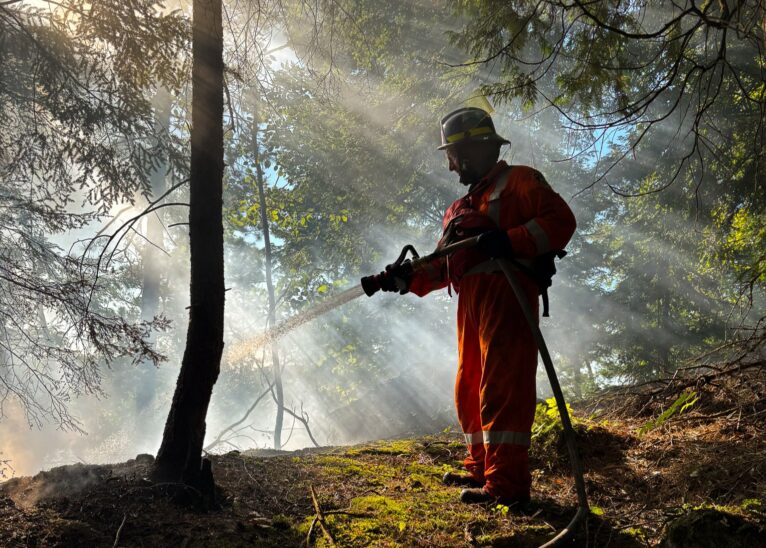
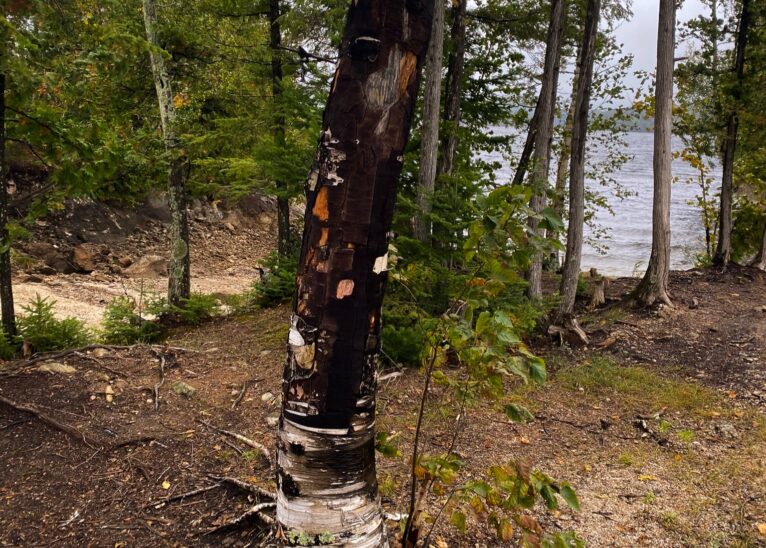
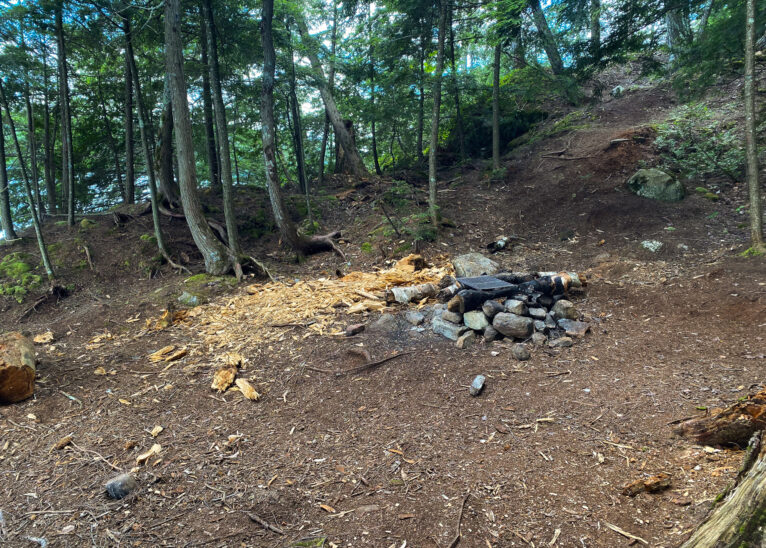
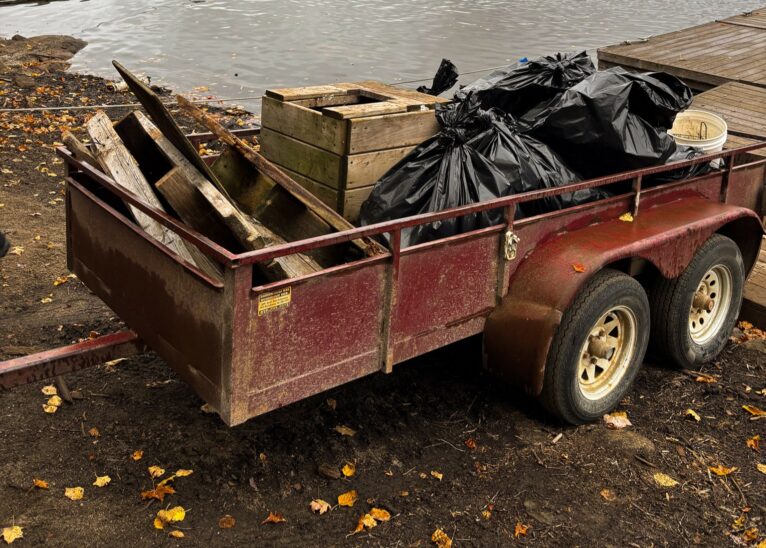
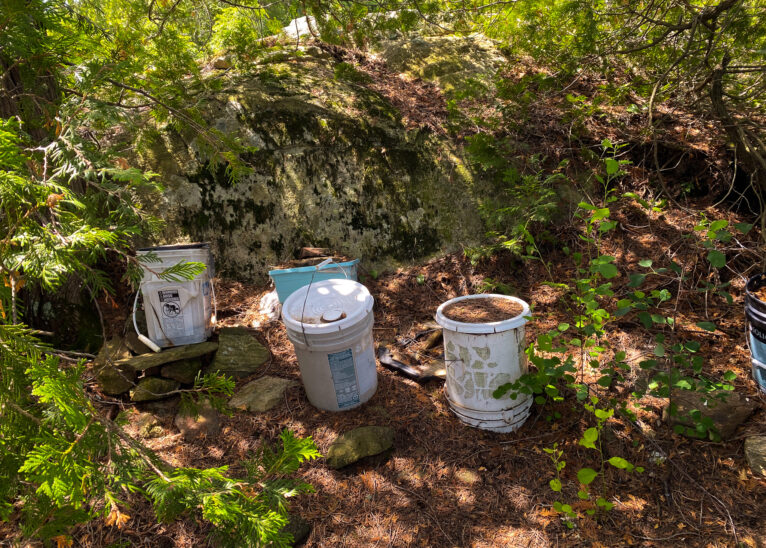
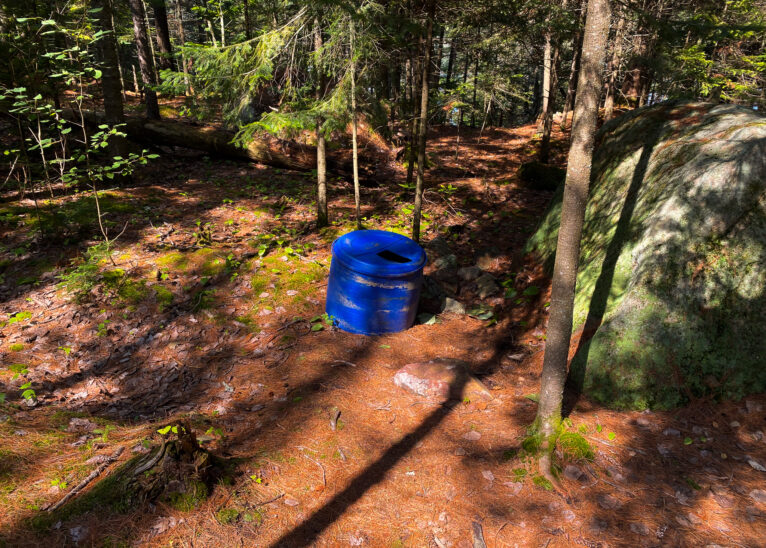
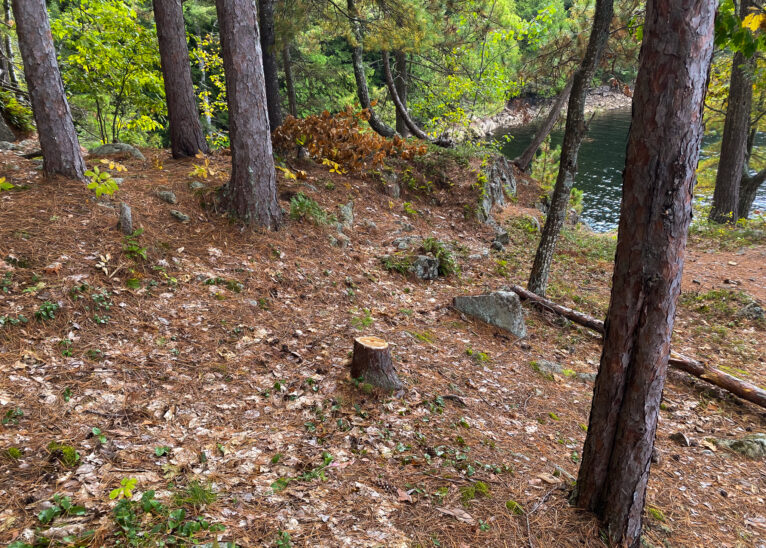
By regulating activities and reducing pressures on natural environments, it will be possible to better preserve the territory for future generations.

A Collective Project
Following a mobilization and consultation process spanning nearly two years, involving political actors, local residents, and nonprofit organizations — including the Municipality of Bowman, the Papineau RCM, the Poisson Blanc Watershed Association, and the Base de plein air Air-Eau-Bois — it was determined that harmonizing the management of the islands and shores of the Poisson Blanc Reservoir is the best approach to ensure the conservation of natural environments, reduce user conflict, and guarantee visitor safety.
Why Things Are Changing?
All parties involved are aware that this change will disrupt the habits of some users of the Poisson Blanc Reservoir. However, if you have visited the islands and shores in this area over the past few years, you have likely noticed a gradual deterioration of the environment, including deforestation, mutilation and felling of living or non-hazardous trees, the presence of trash, human and pet waste, and used toilet paper on the ground, among other issues. With the significant increase in visitor use and the growth expected in the future, maintaining the status quo is no longer an option. By managing activities and reducing pressures on natural areas, it will be possible to better preserve the territory for future generations. This guided management will ensure shared access to the reservoir in a sustainable way while protecting its exceptional features.

A Regulation Adopted by
the Papineau RCM to Manage
Camping on the Islands and Shores
of the Poisson Blanc Reservoir
in the Municipality of Bowman
The Papineau RCM has adopted Regulation No. 214-2025, which aims to manage recreational camping on public lands within its territory and thereby protect this exceptional natural area. Considering the increase in visitor use and the condition of the islands and shores of the Poisson Blanc Reservoir in the Municipality of Bowman, the MRC de Papineau has mandated the Poisson Blanc Regional Park to ensure the enforcement of this regulation in the area.
Under Regulation 214-2025, camping on the Poisson Blanc Reservoir in the Municipality of Bowman is only permitted at the 14 designated camping sites shown on the map. These sites will be available for booking on the Poisson Blanc Regional Park website. The staff of the Poisson Blanc Regional Park are mandated by the MRC to enforce this regulation in the Poisson Blanc Reservoir area. Environmental monitoring of these sites will be conducted on a regular basis.
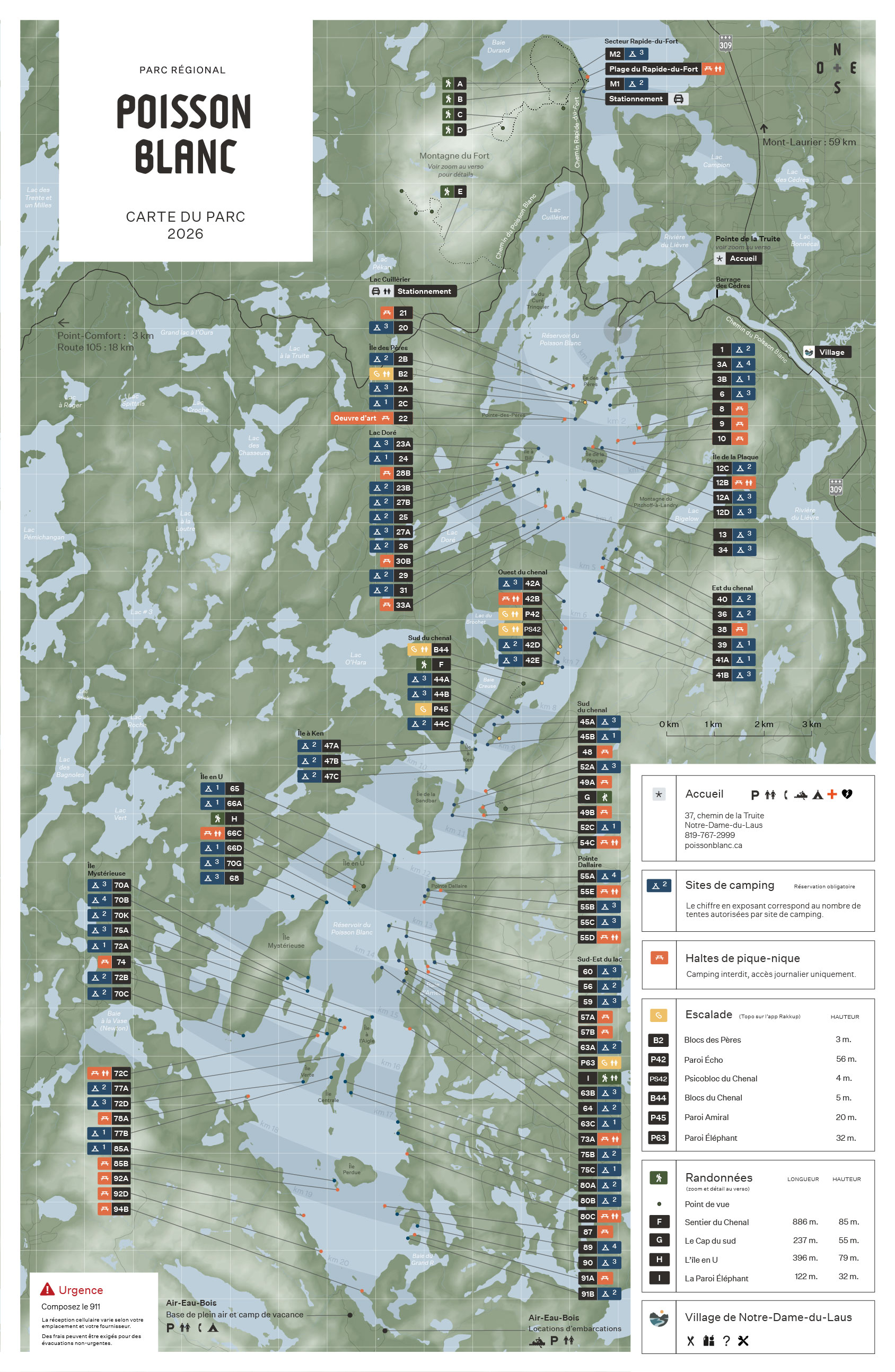
From now on, the rustic camping sites located on the islands and shores of the Poisson Blanc Reservoir in the Municipality of Bowman are part of the Poisson Blanc Regional Park.

More Details on the Camping Sites
and Rest Stops Integrated into
the Poisson Blanc Regional Park
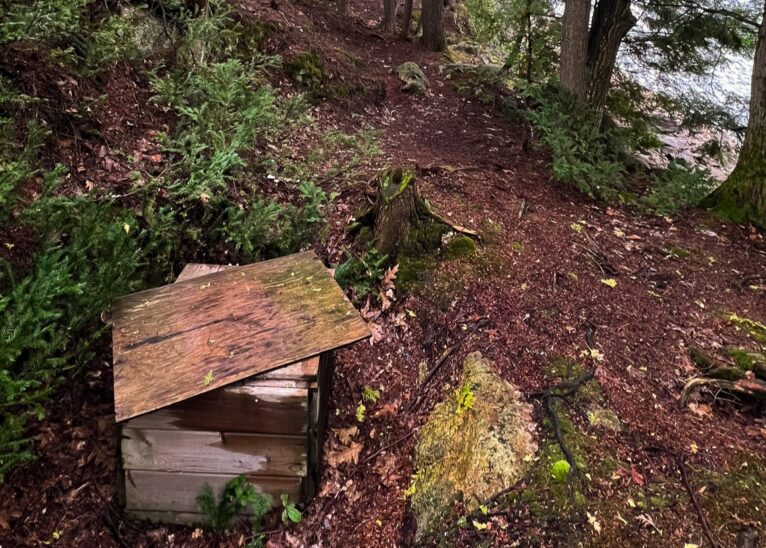
- 14 additional camping sites are added to the Poisson Blanc Regional Park’s reservation system. For the reservation fees, these sites are simply equipped (outhouse, fire pit, picnic table, bench, tent pad, etc.), and firewood is delivered directly to users to prevent deforestation.
- Under Regulation 214-2025, camping on the Poisson Blanc Reservoir in the Municipality of Bowman is only allowed at the 14 designated camping sites shown on the map. These sites will be available for booking on the Poisson Blanc Regional Park website.
- Several sites that were previously used for camping will be converted into day-use public stops. In total, 11 stops will be developed to welcome visitors looking to enjoy a sunny afternoon on the Poisson Blanc Reservoir. They will be equipped with picnic tables and benches. Camping will be prohibited, and dogs must be kept on a leash.
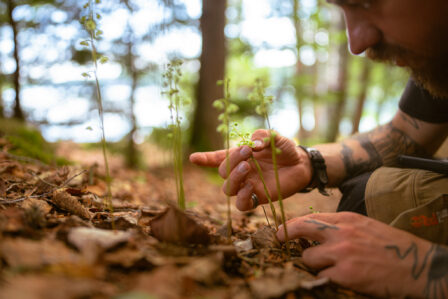
The new sites and stops integrated into the Poisson Blanc Regional Park will be subject to environmental monitoring in collaboration with Carleton University.
Environmental Monitoring of
Camping Sites and Day-Use Stops
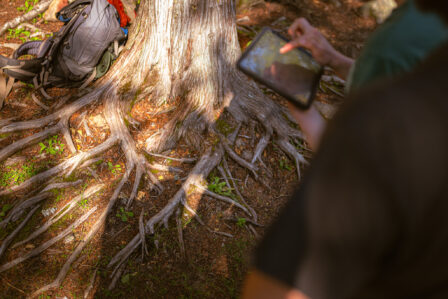
Since 2024, the Poisson Blanc Regional Park team has been collaborating with Carleton University as part of the Ecological Integrity Monitoring Program to track the environmental condition of the camping sites and day-use stops at the Poisson Blanc Reservoir. The data collected in the field allows the Park to improve its management and development practices while balancing conservation and recreational tourism.